Posts

Showing posts with the label environment

Comparison and Advantages of Six Different Types of Lithium-Ion Batteries

Image
  The launch of lithium batteries was a game changer in the progress of battery technology. They replace large, bulky, leaking fluid batteries with compact, high-capacity devices. Lithium batteries have ruled the market over all other batteries, including lead-acid batteries. There are many types of lithium batteries on the market to meet every need or purpose. Lithium-ion batteries are vital components of modern technology. They power cell phones, laptops, medical gadgets, and electric vehicles. These batteries use lithium carbonate or lithium hydroxide instead of lithium metal. All batteries contain lithium, but they also contain cobalt, graphite, and nickel. But it's important to know which battery we may use for each application. Different lithium-ion batteries have different characteristics. Here, we will discuss the types of lithium batteries, their benefits, and a comparison of them. Different lithium batteries use various components and chemical processes to store energy. ...

How to Prevent a Li-Ion Battery Explosion in an Electric Vehicle

Image
  Lithium-ion batteries power mobile phones, laptops, computers, hoverboards, and electronic vehicles. Generally, lithium-ion batteries are safe, but incorrect use can lead to fire or explosions. Explosions are frequently caused by the "thermal runaway" phenomenon, in which the temperature of the battery rises too quickly for heat to disperse. It is vital to fully comprehend how this failure mechanism happens and how to prevent it. As previously stated, while lithium batteries are generally safe, they can cause injury if they have design flaws, are built of low-quality materials, are wrongly assembled, are used or recharged inappropriately, or are damaged. Today, lithium-ion batteries are the backbone of every technology that requires batteries. Li-ion batteries power a range of applications, from smartphones to electric cars. It is owing to the technology's high energy density and efficiency. However, there is a dark side to this otherwise happy tale. If any flaws in t...

Why Is It Important to Recycle Lithium-Ion Batteries?

Image
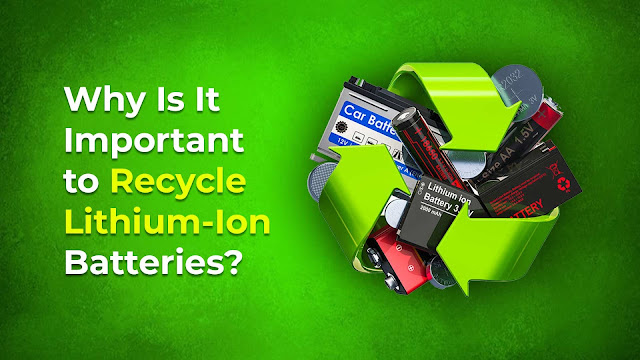
  EVs are all the rage and could spur a clean energy revolution. Most lithium-ion batteries are used in consumer electronics, such as computers, phones, tablets, and other electronic devices. Their applications have grown to include stationary storage applications and electric automobiles (EVs). These batteries are in high demand due to their long-term performance and power density, capacity to keep a charge for an extended period, low self-discharge, and fast charging rates. The process of separating the components of a lithium-ion battery to recycle and reuse them is both expensive and challenging. Nowadays, lithium-ion battery recycling exists, but not on the scale or with the efficiency that we require as batteries become more widespread. Why is it vital to recycle lithium-ion solar and electric vehicle batteries? Recycling solar and electric vehicle batteries is crucial for two reasons: recovering materials and safeguarding the environment. There are various advantages to rec...

Lithium or Lead Acid: Which Is a Superior Battery for Rechargeable Vehicles?

Image
If you're looking for a good battery for your vehicle, you will undoubtedly have a list of conditions in mind. It is common for lithium-ion battery manufacturers to be asked about technologies that promote rechargeable batteries. One frequently asked question is, "What is the difference between lead-acid and lithium-ion batteries, and when should each be used?" Maxvolt Energy is concerned about the environmental impact of the manufacturing procedures of these batteries. That is why we adhere to the best practices for reducing pollution and waste. The following answers will help you decide between lithium-ion batteries and lead-acid batteries. Do lithium-ion batteries outlast lead-acid batteries? All batteries eventually lose their effectiveness. The lithium-ion battery has a longer life cycle than the lead-acid battery. Recyclable policies reduce the cost of battery disposal. Since lithium-ion batteries are more durable, they will work better in difficult environment...

The Pioneering Lithium Batteries for E-scooters

Image
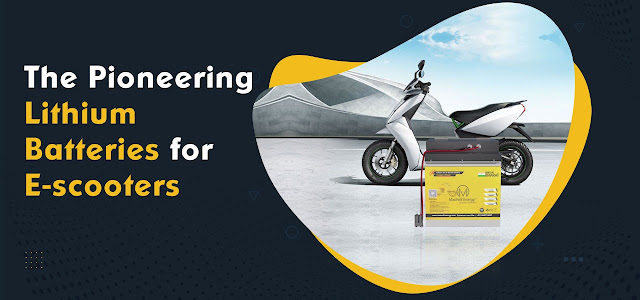
For electric scooters, batteries deliver on the promise of on-the-go power. An electric scooter has a complex lighting system, an electric start, and a variety of electrical attachments. The battery you pick should be powerful enough to power these attachments, not cause damage to delicate electronics with spikes and surges, and, most importantly, start and run the scooter engine. Maxvolt Energy is a lithium-ion battery manufacturer in India . Today, e-scooters need a battery that is capable of transporting you anywhere. But, not all electric scooter batteries are created equal. They differ in power, size, and performance. Your electric scooter's reliability and performance are determined by the sort of battery it has. It is in charge of powering the motor, lights, controller, and display. It even determines speed and range. As a result, it is critical to have a long-lasting and secure battery for electronic automobiles. Li-ion battery packs are the most vital component of any el...

The Advantages of Lithium-Ion Batteries for Rechargeable Vehicles

Image
A lithium battery has the highest energy density per weight, is the lightest metal, and has the highest electric reaction. The lithium products introduced by Maxvolt Energy have succeeded in the market. The use of lithium-ion batteries has increased dramatically in recent years. They have various advantages and advancements over other battery technologies such as nickel metal hydride, lead acid batteries, and nickel-cadmium batteries. Lithium-ion batteries power practically all the electrical devices around us, from headphones to computers and mobile phones. These batteries are prominent in the electric vehicle industry and consumer devices. Because lithium-ion batteries are the best energy storage devices for powering electric vehicles, demand for them has skyrocketed in recent years. Government agencies and other battery manufacturers are researching ways to increase the adaptability of these batteries for the electric vehicle sector. The Introduction of Lithium-Ion Batteries A l...