Posts

Safety Measures for Electric Vehicle Batteries

Image
  Electric vehicles (EVs) are becoming more popular all over the world. They can reduce pollution and run better than fossil-fuel cars. In the past few years, energy storage systems have come a long way, especially those that use lithium-ion. Their unique qualities, like high cycle life, energy density, and high efficiency, make them suitable for use in cars. The global demand for lithium-ion battery-powered road vehicles is increasing. More use means more traffic accidents and incidents. It can damage the lithium-ion battery, making it dangerous for people inside the car, rescue workers, and others. Here are some tips for maintaining your electric vehicle batteries and avoiding accidents. Protection against direct contact: All parts of the electric traction system must be placed in an inaccessible location to prevent anyone within or outside the vehicle from coming into contact with them. You'll need a tool or key to open the doors, lids, or bonnets protecting the live electrica...

Guidelines for Extending the Life of Lithium-Ion Batteries

Image
Lithium-ion batteries are used in a vast range of products, including electric vehicles, laptops, and cell phones. Many electric vehicle owners appear to have legitimate concerns about the battery life expectancy of their vehicles. Battery life in their EVs doesn’t last long and becomes uneconomical to operate and repair over time. Lithium-ion battery manufacturers in India offer extended warranties of up to 8 years due to their battery management systems for electric vehicles. Batteries used in EVs can travel hundreds of thousands of miles, and they are constantly getting better. The price of EV batteries has also dropped significantly. Rechargeable lithium-ion batteries need regular upkeep and caution when using and handling them. Many EVs already have longer battery lives than many gas-powered cars, which is more than enough. Before planning how to lengthen the battery life of your electric vehicle, remember that there are already built-in protections. First of all, more recent EVs...

Comparison and Advantages of Six Different Types of Lithium-Ion Batteries

Image
  The launch of lithium batteries was a game changer in the progress of battery technology. They replace large, bulky, leaking fluid batteries with compact, high-capacity devices. Lithium batteries have ruled the market over all other batteries, including lead-acid batteries. There are many types of lithium batteries on the market to meet every need or purpose. Lithium-ion batteries are vital components of modern technology. They power cell phones, laptops, medical gadgets, and electric vehicles. These batteries use lithium carbonate or lithium hydroxide instead of lithium metal. All batteries contain lithium, but they also contain cobalt, graphite, and nickel. But it's important to know which battery we may use for each application. Different lithium-ion batteries have different characteristics. Here, we will discuss the types of lithium batteries, their benefits, and a comparison of them. Different lithium batteries use various components and chemical processes to store energy. ...

8 Benefits of Using Lithium-Ion Solar Batteries

Image
  With the evolution of lithium battery technology, lithium-ion solar batteries have become widely employed in people's daily lives as the best alternative for home solar energy storage. They have become more affordable as their costs have decreased. Lithium-ion batteries can be an excellent choice for storing renewable energy. It offers distinct advantages such as high energy density, low maintenance, efficiency, durability, and diversity. The environmental impact of solar-powered batteries is lower, and the batteries protect against power outages. It's only a matter of time before solar-powered batteries become the main backup energy source for residential and commercial premises. What is a solar lithium-ion battery? Lithium-ion solar batteries are rechargeable energy storage solutions to store excess solar energy. Among such rechargeable electronic devices are cell phones and electric vehicles (EVs). The Benefits of Lithium-ion Solar Batteries Solar Batteries Provide Energ...

The Impact of Lithium-Ion Batteries on the Environment

Image
  BEVs (battery-powered electric vehicles) will play an important part in future mobility situations. The lithium-ion battery has played an essential role in powering the contemporary world, yet concerns about its environmental impact linger. There is still much debate over whether the battery should continue to play a role as the world moves toward a greener future. Lithium-ion rechargeable batteries are now extensively used in laptops and smartphones, which will power electric vehicles and much else. They are also required to assist in the powering of the world's electric systems, as renewable sources such as solar and wind energy cannot produce energy 24 hours a day. According to industry projections, the lithium-ion battery market is expected to increase from $30 billion in 2017 to $100 billion by 2025. What are Lithium-Ion Batteries? A lithium-ion battery is a type of rechargeable battery in which lithium ions move between negative (anode) and positive (cathode) electrodes. ...

How to Prevent a Li-Ion Battery Explosion in an Electric Vehicle

Image
  Lithium-ion batteries power mobile phones, laptops, computers, hoverboards, and electronic vehicles. Generally, lithium-ion batteries are safe, but incorrect use can lead to fire or explosions. Explosions are frequently caused by the "thermal runaway" phenomenon, in which the temperature of the battery rises too quickly for heat to disperse. It is vital to fully comprehend how this failure mechanism happens and how to prevent it. As previously stated, while lithium batteries are generally safe, they can cause injury if they have design flaws, are built of low-quality materials, are wrongly assembled, are used or recharged inappropriately, or are damaged. Today, lithium-ion batteries are the backbone of every technology that requires batteries. Li-ion batteries power a range of applications, from smartphones to electric cars. It is owing to the technology's high energy density and efficiency. However, there is a dark side to this otherwise happy tale. If any flaws in t...

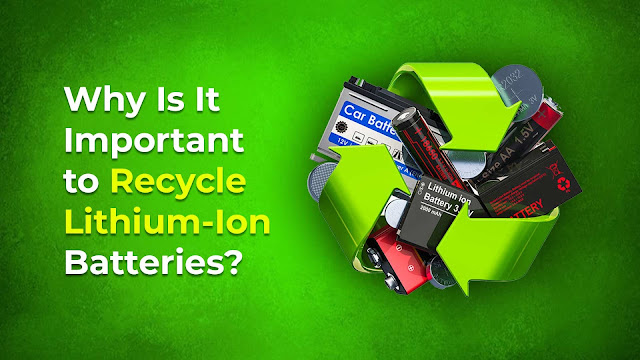
Why Is It Important to Recycle Lithium-Ion Batteries?

Image
  EVs are all the rage and could spur a clean energy revolution. Most lithium-ion batteries are used in consumer electronics, such as computers, phones, tablets, and other electronic devices. Their applications have grown to include stationary storage applications and electric automobiles (EVs). These batteries are in high demand due to their long-term performance and power density, capacity to keep a charge for an extended period, low self-discharge, and fast charging rates. The process of separating the components of a lithium-ion battery to recycle and reuse them is both expensive and challenging. Nowadays, lithium-ion battery recycling exists, but not on the scale or with the efficiency that we require as batteries become more widespread. Why is it vital to recycle lithium-ion solar and electric vehicle batteries? Recycling solar and electric vehicle batteries is crucial for two reasons: recovering materials and safeguarding the environment. There are various advantages to rec...